

Exploring how social circles influence gambling behaviors and decisions
The Role of Social Influence in Gambling
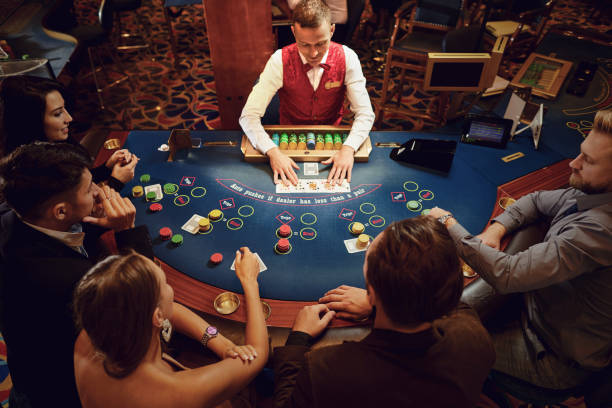
Social influence plays a significant role in shaping individuals’ gambling behaviors and decisions. People are often swayed by the opinions and actions of their friends and family, leading to a social environment that can either encourage or discourage gambling. When an individual is part of a social circle that embraces gambling, they may be more likely to participate, viewing it as a normative activity. This phenomenon can be particularly pronounced in settings like casinos, where the presence of peers can amplify the desire to engage in gambling activities. Additionally, players can enhance their experience by using a neosurf voucher for deposits, which ensures privacy and speed.

Moreover, social circles can create a sense of belonging and validation for individuals who gamble. When friends celebrate wins or share gambling stories, it cultivates a positive association with the activity. Conversely, if a person’s social circle discourages gambling, they may feel less inclined to partake, highlighting the dual role of social dynamics in shaping gambling habits.
The Impact of Peer Pressure on Gambling Decisions
Peer pressure is a powerful motivator that can significantly impact gambling decisions. In social environments where gambling is normalized, individuals may feel compelled to join in, even if they are initially hesitant. This pressure can lead to impulsive decisions, often resulting in larger bets or extended playtimes. Young adults, in particular, are susceptible to peer influence, as they may seek approval from their friends, leading to increased gambling participation.
This influence can extend beyond immediate peer groups, as individuals may also seek to impress acquaintances or larger social networks. The fear of missing out on shared experiences can drive individuals to gamble more than they might otherwise choose to, further complicating their relationship with gambling.
The Effect of Social Circles on Gambling Behavior Trends
Social circles can also drive trends in gambling behavior, creating an environment where certain games or betting styles become popular. For instance, if a group of friends begins to frequent a specific casino or engages in online poker, it can lead others in the group to join in, driven by curiosity or a desire to bond. These trends can spread rapidly within social networks, influencing others’ choices and preferences in gambling.
Additionally, the way social circles discuss gambling can shape perceptions about risk and reward. Conversations centered around big wins or losses can affect an individual’s understanding of gambling, potentially normalizing high-risk behavior. This can lead to a culture of gambling where excessive play is more accepted, making it challenging for individuals to recognize when their behavior is becoming problematic.
The Intersection of Gambling and Online Social Communities
With the rise of online gambling platforms, social circles have evolved, allowing individuals to connect with others beyond their immediate environments. Online communities can provide a space for discussions around gambling strategies, sharing experiences, and even forming virtual gambling groups. These interactions can reinforce existing behaviors and introduce new influences that may not be present in a person’s offline life.
However, this shift also presents challenges, as individuals may find themselves influenced by a larger and more diverse set of opinions and practices. While some online communities promote responsible gambling, others may glamorize high-stakes betting or reckless behaviors, complicating the decision-making process for new gamblers. It’s essential for individuals to navigate these online spaces carefully to maintain a balanced perspective on gambling.
Resources for Responsible Gambling and Community Guidance
For individuals looking to explore gambling responsibly, various resources are available that can help navigate the complexities of social influences. Educational platforms often provide insights into gambling behaviors, encouraging individuals to consider their motives and the impact of their social circles. Understanding the psychological aspects of gambling can empower players to make more informed decisions.
Moreover, online communities focused on responsible gambling can offer support and strategies for those who may be struggling with their behaviors. Engaging with these resources can foster a more positive gambling experience, allowing individuals to enjoy the activity while remaining aware of its potential pitfalls.